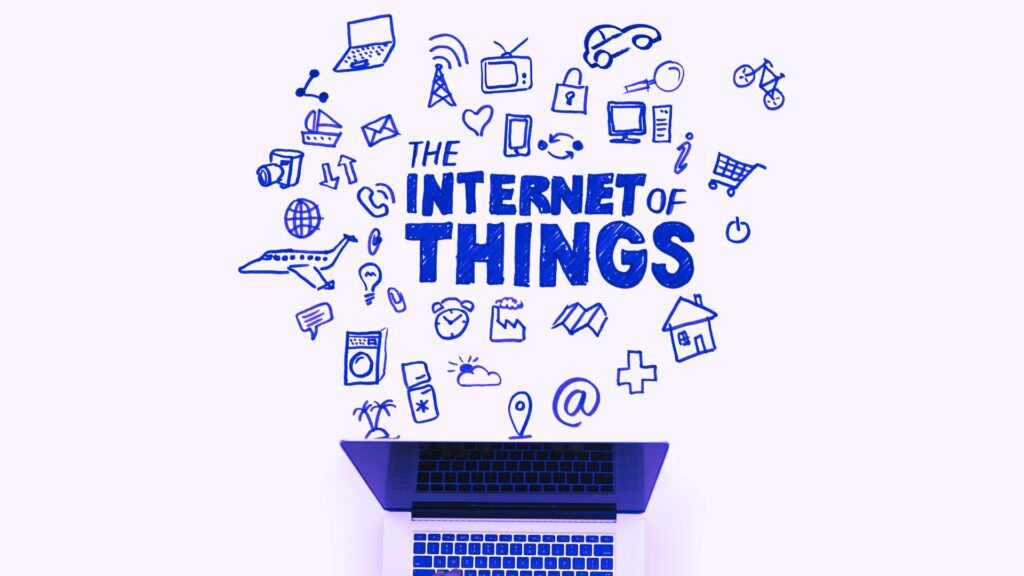
Do you ever wonder how your smartwatch tracks your movement or how your home speaker knows your favourite playlist? Have you ever seen those smart homes that allow you to manage the lights, music, and other appliances from one app? These devices form part of the Internet of Things, or IoT. Let’s get started.
What is IoT?
IoT refers to a network of physical devices that are connected to the internet. These devices contain software, sensors, and other technologies which enable them to perform certain functions. In simpler terms: IoT is the concept of normal, everyday objects being connected to the internet to make our lives more convenient.
Relatable examples of IoT in everyday life
IoT is everywhere, and you’ve probably already interacted with it in some way. Let’s look at a few relatable examples.
- Smart home devices: You are likely familiar with Amazon’s Alexa. Alexa is a popular voice assistant that can play music, answer questions, and control other smart devices.
- Wearable devices: Fitness trackers like the popular Fitbit and Apple Watch monitor your steps, heart rate, and sleep patterns. These apps can be used to automatically send the data to another app as part of a rewards system, like Vitality.
- Connected appliances: Your appliances, like fridges, washing machines, and even coffee machines, can connect to the internet. Your fridge can let you know when the milk is running low, or you can set your coffee machine to automatically start at a specific time in the morning using a simple app on your phone. Oh, how times have changed.
- Transportation: Ride-sharing apps like Uber use IoT to connect drivers and passengers efficiently.
Benefits of the Internet of Things
Now that we’ve covered a few examples, what are the benefits of IoT?
- Convenience: IoT automates mundane tasks, like turning off the lights or adjusting the temperature. It can even start making your coffee before you’re out of bed!
- Efficiency: Many smart devices can save resources and efficiently reduce energy consumption.
- Data-driven insights: Think about your smart watch – it helps you reach your fitness goals by analyzing your daily activity. It can even remind you when you appear to be slacking.
- Enhanced safety. It’s becoming popular to use smart home monitoring systems. These IoT-enabled security systems allow you to monitor what’s happening in your home in real time. This way, you can check your home cameras if anything seems suspicious.
IoT risks and challenges
While there appear to be quite a few benefits with IoT devices, there are also risks associated with it. Let’s look at three of the biggest IoT risks and challenges.
- Cybersecurity risks. Practically any device can be hacked. This can lead to exposing sensitive data or allowing unauthorized access to your device. This is more common when devices are not updated regularly.
- Privacy concerns. IoT devices often collect personal data, and more than you may think. As a result, it raises concerns about who has access to this information and what they are doing with it.
- Compatibility issues. As we all know, not all devices work seamlessly with each other. This can create challenges when you’re trying to set up the devices and you may end up needing multiple apps to control them. And yes, this leads to more cybersecurity concerns.
How to stay safe with IoT
As with all technology, it’s important to protect your privacy and data. Here are some tips to help you keep your IoT devices secure:
- Use strong and unique passwords. Change the default passwords on all your devices and create strong, unique passwords for each device.
- Update your software. Regularly check for software updates on your IoT devices. Updates fix security vulnerabilities so ensure that you’re always up to date.
- Secure your home network. It’s probably really hard to live without Wi-Fi these days. Use strong passwords for your Wi-Fi connections and consider creating a separate guest Wi-Fi for people to use when they visit.
- Disable unnecessary features. Smart devices come with so many features but, if you don’t need it, turn it off. The less active features you have, the less likely your device will be compromised.
- Check the privacy settings. Always check what data is being collected by your devices. Wherever possible, limit the data to only that which is strictly necessary.
What does the future hold?
The IoT landscape is growing rapidly and has exciting innovations planned for the near future. Imagine having smarter cities that can improve traffic and reduce your travel time, or advanced healthcare where patients could be provided real-time health insights from their wearables.
However, with IoT innovations comes the cybersecurity challenges. Therefore, it’s important to consider cybersecurity as part of the growth to ensure that our data is not at risk. Enjoy your IoT devices but remember to be secure too.