Imagine if you’re scrolling through your feed, enjoying your morning coffee, and suddenly you see a video of Elon Musk singing the lyrics to APT flawlessly. You’re amazed by his skills but… it’s not really him. It’s a deepfake. And you’ve just been bamboozled.
But you’re not alone. Deepfakes are creepily convincing, wildly entertaining, and sometimes downright dangerous. So, let’s explore what deepfakes are, how they work, why you should be concerned and aware, and how to not fall for fake Snoop Dogg trying to convince you to invest in crypto.
What is a deepfake?
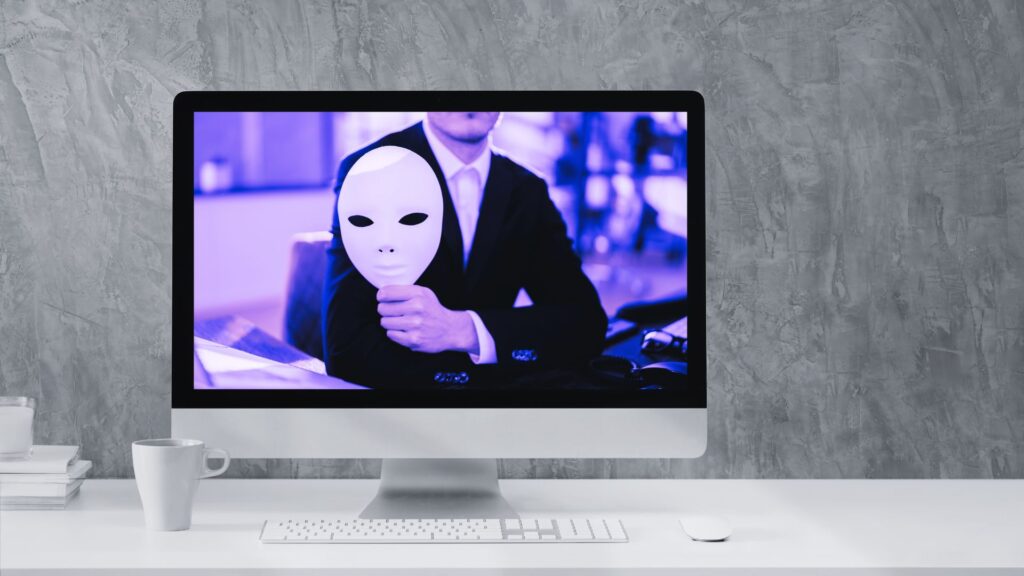
A deepfake is the creation of media, usually video or audio, where artificial intelligence is used to replace a person’s likeness with someone else’s. Think of it as a highly sophisticated form of digital impersonation and it’s incredibly realistic. The term “deepfake” is a combination of “deep learning” (a type of AI) and “fake.”
The most common deepfakes involve swapping faces in videos, making it appear as though someone said or did something they never actually did. Deepfakes have expanded beyond just faces – it can now manipulate voices, body movements, and even create entirely fake people who never existed.
How do deepfakes work?
In simple terms, AI models are trained to recognize patterns in someone’s face, voice, and movements using tons of video and audio data. Then, they generate new content (the deepfake) that looks just like the real person – only now they’re saying things like “I love pizza with extra pineapple” or “I am Batman.”
The most common types of deepfakes include:
- Face swapping: The most common type which is when someone’s face is replaced with another like you putting your face on a celebrity’s body.
- Voice cloning: AI-generated speech like Morgan Freeman narrating what you did today.
- Full body puppeteering: Technology that can fully manipulate entire body movements and gestures like controlling someone’s face and gestures with your own movements.
- Synthetic people: Completely AI-generated people who have never existed.
Why should you be concerned?
Deepfakes can be impressive, but they can also be really scary. Let’s look at why deepfakes are a big deal:
- Misinformation: Aka fake news. Deepfakes can spread misinformation fast and cause chaos.
- Scams & fraud: Scammers can use deepfakes to impersonate CEOs, politicians, or family and friends to trick people into sending money or information.
- Personal privacy: Anyone can potentially become a victim of a deepfake without their permission.
- Reputation damage: Deepfakes can be used to create fake compromising videos – especially harmful for public figures.
- Media trust: The more sophisticated deepfakes become, the harder it will be to distinguish between real and fake content.
How to spot a deepfake
Here are some quick tips to help you check if it’s real or an imposter:
- Watch the eyes: Many deepfakes struggle with realistic blinking or have unnatural eye movement.
- Weird facial movement: Look for unnatural movement, weird glitches, blurs, or awkward transitions around the mouth and jaw.
- Audio mismatch: Does the voice match the lip movement? Is the tone off? Your ears might pick up what your eyes miss.
- Lighting & shadows: Check that the lighting on the person’s face match the lighting of the scene.
- Inconsistencies & context: Look for inconsistent backgrounds or if the content aligns with what you already know about the person or situation.
- Check the source: Always verify if you’re unsure.
How to protect yourself from deepfakes
Here are a few tips to help you stay protected against deepfakes:
- Stay informed. Keep up to date with the latest developments.
- Verify sources. Check multiple platforms before believing or sharing content and use trusted sources only.
- Use deepfake detection tools. Yes, researchers are developing tools to automatically detect the fakes.
- Stay skeptical. If it’s too-good-to-be-true… don’t be afraid to question content.
- Report suspicious content. Especially if it could cause harm, report it to the platform’s support team.
- Raise awareness. Share this blog post and help others stay informed.
Don’t believe everything you see… literally
Deepfakes represent both incredible potential and serious challenges. While using them for entertainment and educational content can enhance the content, it can also potentially cause issues of trust. So, next time you see something really strange on TikTok, take a moment to check if it’s real. Be cautious. Be secure!
P.S. If you are a deepfake reading this post – be gentle, we’re only human.